
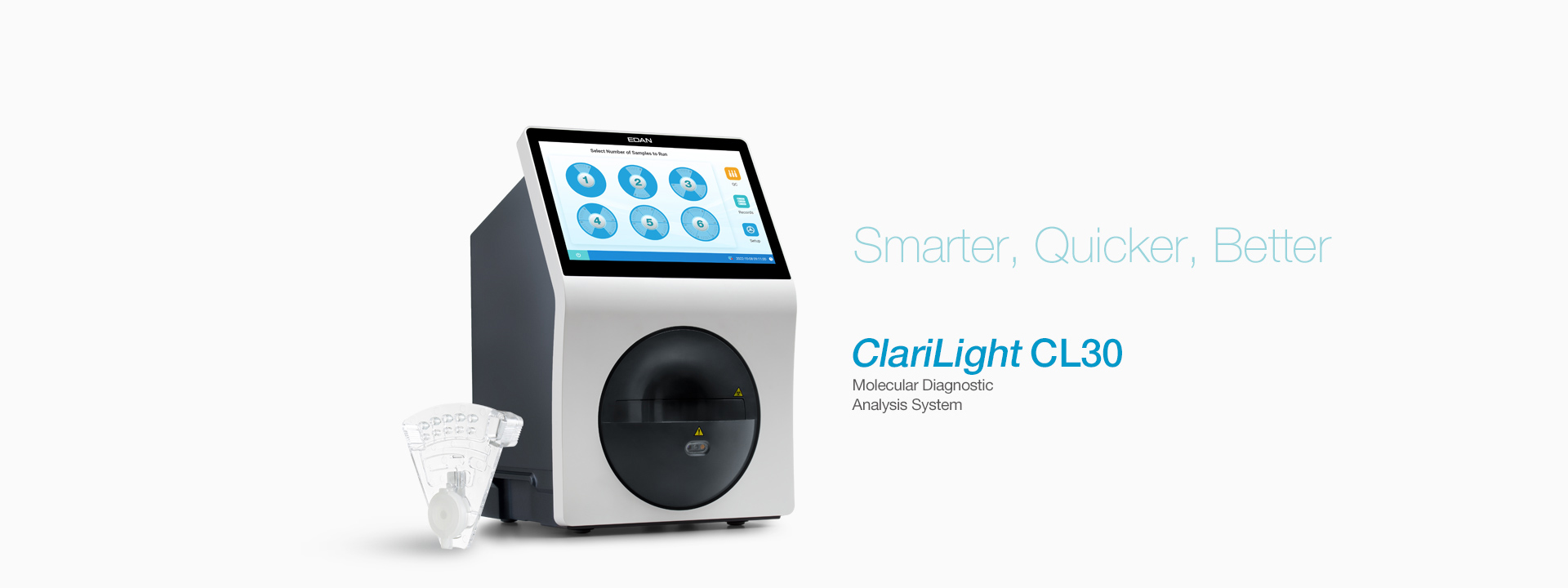
In the evolving world of clinical laboratories, molecular diagnostic testing and the capabilities of a modern diagnostic analyzer are central to accurate, timely health insights. One aspect that plays a vital role in ensuring test quality is optical resolution. Understanding how resolution influences data integrity helps laboratories choose tools that support reliable decision-making. A standout example to consider in this context is the EDAN CL30, designed to support high-performance molecular analysis.
The Importance of Optical Resolution in Molecular Systems
Optical resolution defines how clearly a diagnostic device can differentiate between signals or visual data points during testing. In molecular diagnostic testing, this affects how well a platform detects and interprets nucleic acid amplification or fluorescence signals. Devices with higher optical resolution deliver sharper, more distinct data outputs, reducing ambiguity in results and improving overall confidence in clinical findings. Such precision directly supports clinicians in identifying pathogens or genetic markers with greater certainty.
Key Factors Influencing Performance
Several technical elements influence optical performance in a diagnostic analyzer. The design of detectors and lenses, sensor sensitivity, and signal processing algorithms all contribute to how clearly molecular signals are captured and interpreted. When evaluating systems, labs should consider how these components affect both sensitivity and specificity in test results. For molecular assays that rely on detecting subtle changes in optical signals, robust resolution helps ensure that even minimal signal shifts are accurately recognized.
EDAN CL30 in Focus
The EDAN CL30 is a purpose-built platform for molecular diagnostic testing that integrates advanced system design with efficient workflow features. It supports rapid throughput and delivers results in as little as 15 minutes, streamlining processes for infectious disease detection and other applications. The user interface and optical components contribute to consistent reading quality, which enhances data reliability. These traits, combined with portable and low-maintenance operation, make the CL30 a practical choice for labs aiming to elevate testing capacity without sacrificing clarity.
Conclusion
Optical resolution remains a key consideration when evaluating the capabilities of high-end diagnostic hardware. It underpins the fidelity of data in molecular diagnostic testing and governs how well a diagnostic analyzer interprets critical signals. By appreciating the role of optical performance and exploring advanced tools like the EDAN CL30, laboratories can better align equipment choices with their quality and speed objectives in clinical diagnostics.