
Setting up an electric vehicle charging point at home has become a practical step for many EV owners who want daily convenience and predictable energy costs. When individuals explore this option, they often look for solutions designed for residential use, such as residential ev charging stations. These systems help drivers avoid dependence on public charging and ensure their vehicles are consistently ready for use. For homeowners seeking reliable options, companies like Atess offer devices suitable for houses or light commercial locations, enabling users to manage charging safely and efficiently.
Choosing the Right Equipment for Your Needs
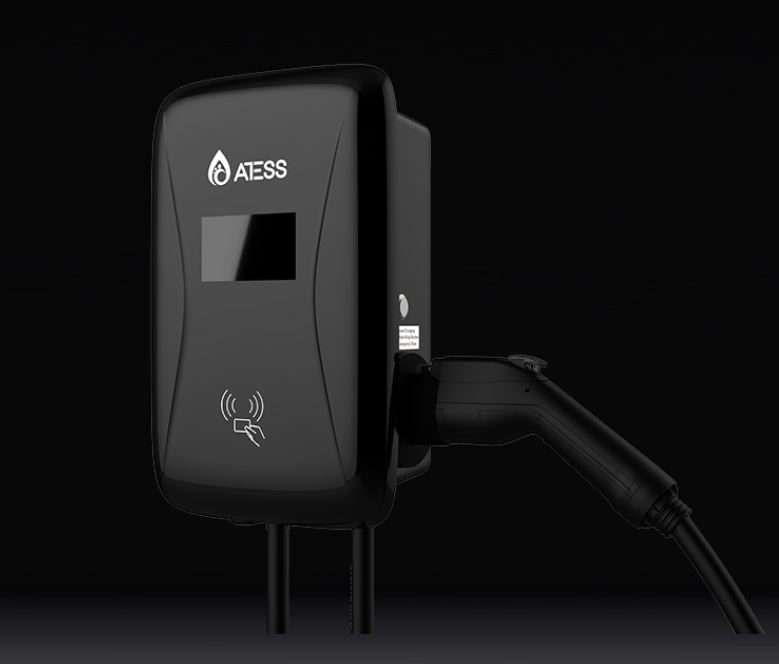
Finding the correct equipment is essential for a stable and efficient installation. Many users choose an electric car home charging station that fits both the electrical infrastructure of their home and their vehicle’s connector type. Atess provides the NOVO EVA-07/09/12S-PU AC EV Charging Station, a unit designed for U.S. standards with a Type 1 plug. They develop this model with features that support real-world use, including NEMA 3R ingress protection for outdoor placement and digital intrusion prevention through WSS communication. The compact form—roughly the size of an A4 sheet—helps homeowners install the charger even in limited spaces. For users with solar systems, its solar-charging capability supports cleaner energy usage.
Installation and Practical Considerations
Before installing residential charging equipment, users typically confirm circuit capacity and choose an appropriate location near their parking area. The Atess model mentioned above is designed for a quick 15-minute installation, which helps reduce project complexity. Additionally, dynamic load balancing supports smarter household energy management, ensuring that the charging process adapts to real-time consumption in the home. These features make the transition to home charging more manageable for distributors and EPC partners assisting end users.
Conclusion: Making Home Charging Simple
Getting a home charging setup involves selecting dependable equipment, ensuring proper installation, and choosing systems that support long-term stability. Residential users can benefit from solutions like the compact AC unit from Atess, which provides essential safety functions and flexible energy options. With thoughtful planning and the right device, homeowners can establish a stable charging setup that meets daily EV-use needs while remaining aligned with practical installation standards.