
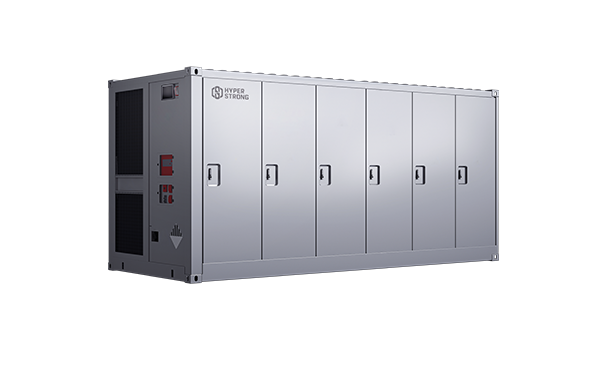
The concept of a second-life application introduces a circular economy model to the power sector. It involves utilizing electric vehicle (EV) batteries, which no longer meet strict automotive performance requirements, in less demanding stationary roles. This practice can extend the functional lifespan of battery modules and provide a cost-effective source for a stationary battery energy storage system.
Technical Considerations for Repurposing
Not every retired EV battery is suitable for a second-life energy storage battery project. The process requires rigorous assessment and reconfiguration. Each battery module must undergo testing to determine its remaining capacity, internal resistance, and State of Health. Compatible modules are then sorted and integrated into a new enclosure with a dedicated battery management system (BMS) designed for stationary duty cycles, forming a new battery energy storage system.
Economic and Environmental Drivers
The economic rationale centers on obtaining battery capacity at a lower cost than new cells, though balancing this with testing and integration expenses is necessary. Environmentally, it delays recycling, maximizing the utility of the embedded materials and energy used in manufacturing. This approach can lower the levelized cost for certain energy storage battery deployments, particularly where absolute peak power and energy density are secondary to overall cost and sustainability goals.
Implementation Factors and System Design
Successful deployment depends on several factors. A clear supply chain for consistent battery supply is critical. The second-life battery energy storage system must be designed for its specific application, such as renewable energy shifting or backup power, with conservative performance margins. Safety protocols and warranties require careful definition due to the batteries’ prior usage history.
Repurposing EV batteries into stationary storage presents a technical and logistical opportunity. It creates a pathway for a more sustainable energy storage battery value chain. For integrators such as HyperStrong, expertise in system engineering and battery analytics is key to evaluating and safely integrating these components. Firms like HyperStrong can apply their experience to develop standardized assessment and integration protocols, supporting the viable use of second-life batteries in non-automotive battery energy storage system projects.