
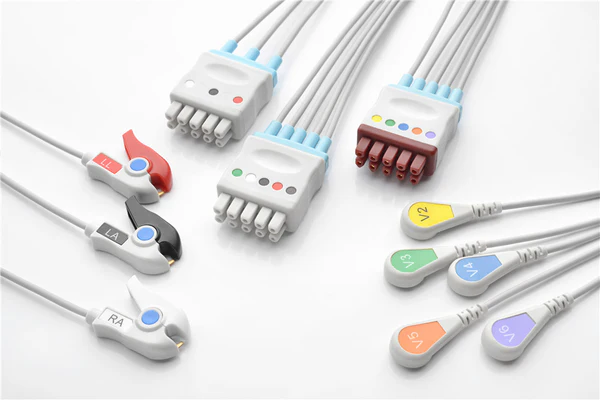
The production of ECG cables and leadwires is a highly specialized process that requires careful sourcing of raw materials. With the critical role these components play in patient monitoring, ensuring the quality and reliability of these materials is paramount. Manufacturers, such as Unimed, follow stringent protocols to mitigate risks in the supply chain, ensuring that the raw materials used in their products meet the highest standards.
1. Supplier Selection and Audits
One of the first steps in risk mitigation is selecting reliable suppliers. ECG cable manufacturers must conduct thorough audits to evaluate the quality, stability, and reliability of their suppliers. This involves assessing their track record for providing consistent materials, their adherence to industry standards, and their capacity to scale with demand. Unimed, for example, only partners with suppliers who meet regulatory certifications and maintain high production standards.
2. Material Traceability and Quality Control
It is essential to track the raw materials from procurement through to production. This ensures that manufacturers can identify and address any issues with materials before they affect the final product. By implementing a robust quality control system, manufacturers can inspect materials at various stages of production. Unimed’s commitment to providing superior ECG cables and leadwires is supported by their meticulous quality assurance processes, which include both in-house and third-party testing.
3. Diversified Sourcing
Relying on a single source for critical raw materials can be risky, especially when geopolitical events or supply chain disruptions occur. To mitigate this risk, ECG cable manufacturers should diversify their suppliers and sources of materials. This strategy ensures that if one supply chain is interrupted, alternatives are available to maintain production timelines and quality standards.
4. Regulatory Compliance
Compliance with international and regional regulations is another crucial element of risk management. Manufacturers like Unimed ensure that all raw materials used in their ECG cables and leadwires comply with relevant medical device regulations, including FDA, CE, and ISO certifications. These certifications help mitigate the risk of regulatory issues that could lead to product recalls or legal challenges.
Conclusion
Sourcing raw materials for ECG cable production requires careful consideration and risk mitigation strategies. From selecting reliable suppliers to maintaining stringent quality control and regulatory compliance, manufacturers must prioritize these factors to ensure the highest quality of their ECG cables and leadwires. By employing these strategies, companies like Unimed continue to deliver products that healthcare providers can rely on.