
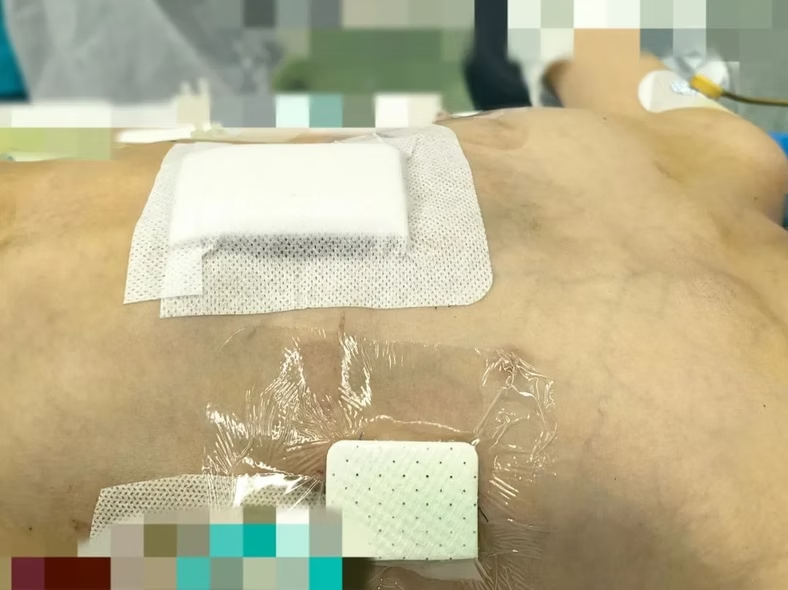
Pectus excavatum is often perceived as a purely cosmetic issue, but it can also lead to significant physical symptoms and psychological burden that should not be overlooked. As the deformity tends to worsen over time due to progressive ossification of the chest wall bones, understanding its risks and treatment options early is essential for long-term health.
More Than Appearance: The Real Health Risks
In many patients, the inward sternal depression compresses the heart and lungs, which may contribute to reduced exercise tolerance, postural abnormalities, or cardiopulmonary strain that can be easy to underestimate in daily life. Beyond the physical impact, the visible chest depression often brings a lasting psychological burden, including social anxiety and self-consciousness, particularly during adolescence.
Without timely correction, patients may face progressive worsening of these functional and psychological impacts. Surgical correction, when appropriately indicated, is currently the only method capable of achieving long-term stable correction of the deformity, and reported benefits may include:
Improved Breathing and Chest Expansion: Surgical correction allows the lungs and heart to operate without compression, making deep breaths easier.
Enhanced Physical Endurance: Many patients experience better exercise tolerance and reduced fatigue during physical activity.
Psychological Well-Being: Correcting the visible chest depression can alleviate long-standing social anxiety or self-consciousness.
Why Early Intervention Matters
Delaying treatment can lead to progressive worsening of the deformity due to ossification of the chest wall bones, which also increases surgical difficulty and risk in older patients. For this reason, early consultation with a specialist is strongly recommended, even before symptoms become pronounced. For patients with mild symptoms or those not yet ready for surgery, conservative approaches may serve as an interim option, though they generally do not achieve the same corrective or long-term results as surgery.
Specialized Surgical Options at ICWS
At The Institute of Chest Wall Surgery (ICWS), different techniques are available to treat pectus excavatum, each tailored to the patient’s age and condition to maximize surgical safety and effectiveness:
The Wang Procedure: This minimally invasive technique specifically addresses pectus excavatum. It reduces surgical trauma, shortens recovery, and effectively prevents cardiac injury, providing stable and lasting correction, especially for very young patients under 5.
The Wung Procedure: This method improves upon the Nuss procedure with safer and simpler bar placement and fixation. The innovations enhance surgical safety and effectiveness, lower complication rates, and shorten recovery.
Conclusion
Pectus excavatum is not merely a cosmetic issue—its impact on physical health and psychological well-being often develops gradually and can be easy to underestimate. Early consultation and, when appropriate, timely surgical correction can help prevent further progression of the deformity and support long-term physical and psychological health.