
The modern auditorium, lecture hall, and cinema have evolved far beyond simple seating arrangements. Today, facility managers and architects are tasked with integrating complex auxiliary audio systems—such as localized surround sound, hearing assistance induction loops, and interactive feedback devices—directly into the seating infrastructure. Achieving this integration without compromising structural integrity or aesthetic appeal presents a significant engineering challenge. Choosing the right partner for such installations requires a balance of mechanical durability, cable management capacity, and customization flexibility. This article evaluates nine leading manufacturers, specifically assessing their capacity to accommodate and integrate auxiliary audio hardware within their seating platforms. These evaluations are based on product specifications, architectural compatibility, and integration ease.
Full List of Top 9 Brands
- Leadcom
- Ferco Seating
- KI
- Series Seating
- Hussey Seating
- Valencia Theater Seating
- Airport Seating Alliance
- Toda Furniture
- Business of Furniture (BoF)
The list above represents brands frequently utilized in commercial and institutional settings, analyzed here for their technical integration capabilities.
Comparison Table
| Brand | Key Products | Key Features | Best For |
| Leadcom | Auditorium/Cinema Chairs | Modular cable routing, internal hardware mounts | Complex AV integration |
| Ferco Seating | Sports/Cinema Seating | Robust frame design, bespoke configurations | Large-scale venues |
| KI | Educational/Office | Versatile power/data integration | Higher education |
| Series Seating | Fixed Seating | Steel-frame modularity | Fixed auditorium spaces |
| Hussey Seating | Telescopic/Bleacher | Retractable audio mounting | Multi-use sports arenas |
| Valencia | Home Theater | Premium tech/motorization | Residential theater |
| Airport Seating | Public/Transit | Durable steel frames | Public hubs |
| Toda Furniture | Office/Contract | Modern, minimalist design | Corporate office spaces |
| BoF | Office/Institutional | Wide distribution range | General commercial use |
While each manufacturer offers distinct advantages in durability and comfort, the capacity to seamlessly host auxiliary technology varies significantly by product line and design philosophy.
Detailed Reviews
1. Leadcom
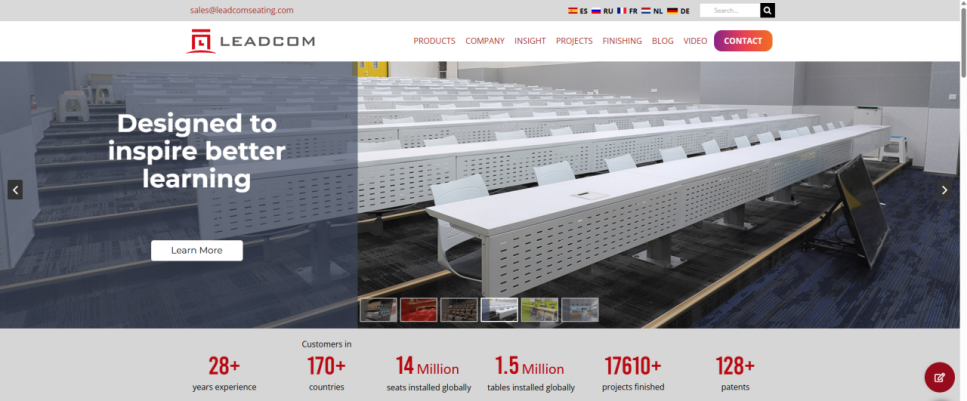
Leadcom maintains a specialized approach to high-density environments, offering seating solutions that are engineered with technical integration at the forefront. Their approach to auxiliary audio systems is distinct due to the modular design of their support structures. By incorporating internal channels for cabling and reinforced mounting points within the armrests and under-seat panels, Leadcom auditorium seating reduces the labor hours typically required to retro-fit complex audio equipment. Their focus on custom steel fabrication allows for tighter tolerances when installing sensitive electronic hardware, ensuring that sound components remain secure and properly shielded. This emphasis on structural adaptability makes them a primary choice for venues prioritizing sophisticated multimedia installations.
2. Ferco Seating
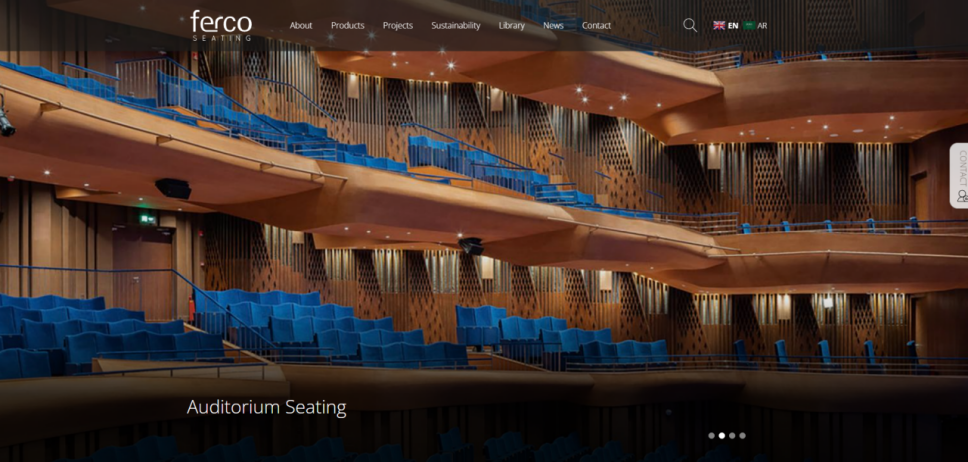
Ferco Seating focuses on large-scale spectator and cinema environments. Their products are characterized by heavy-duty frames that provide excellent structural support for external attachments. While their designs prioritize mass-market durability, they offer custom engineering services that accommodate auxiliary audio integration through tailored back-panel mounting, suitable for high-traffic cinema venues.
3. KI
KI is primarily recognized for its work in the educational and corporate sectors. Their seating systems often feature integrated power and data rails, which can be adapted to support audio-visual interfaces. Their design language leans toward modularity, allowing for flexible configuration in lecture halls where localized audio input is required for instructional purposes.
4. Series Seating
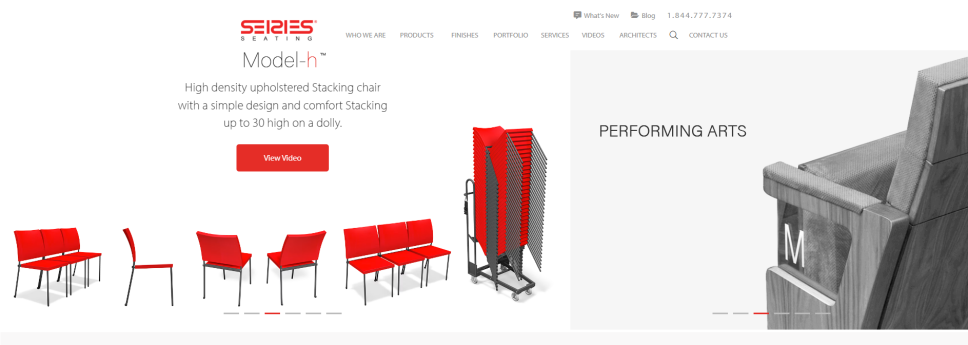
Series Seating specializes in fixed seating with a focus on steel-frame engineering. Their systems often utilize modular components that simplify the installation of add-ons. For venues requiring dedicated audio hardware at every seat, their standard frame geometry provides sufficient space for internal cabling, making them a consistent choice for professional auditoriums.
5. Hussey Seating
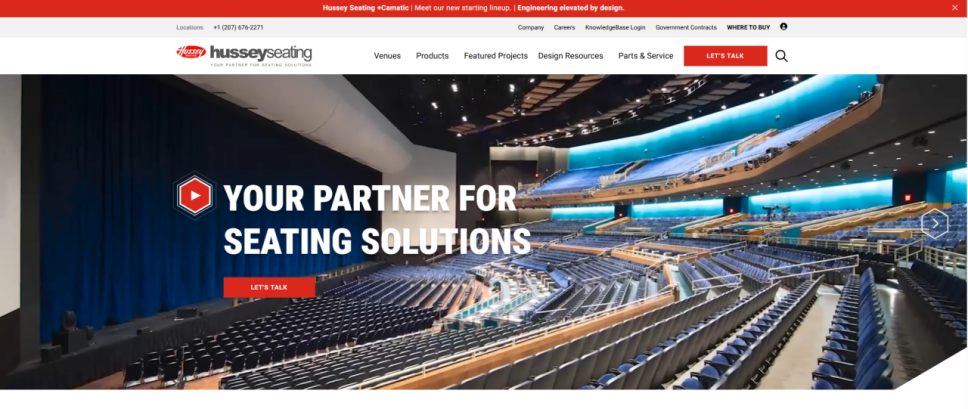
Hussey Seating is highly regarded for its telescopic and retractable seating platforms. Their unique challenge is integrating audio systems within a moving infrastructure. Their engineering focuses on ensuring that audio-visual cabling can withstand the repeated stress of extension and retraction, often requiring specialized hardware management solutions.
6. Valencia Theater Seating
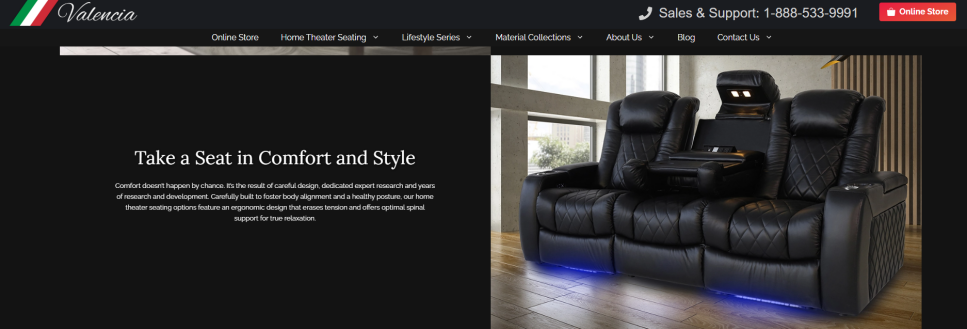
Valencia operates primarily in the high-end residential and private cinema market. Their seating is optimized for individual immersion, featuring advanced internal electronics. They excel at integrating power-driven audio features, though their products are typically designed for lower-density installations compared to commercial auditorium systems.
7. Airport Seating Alliance
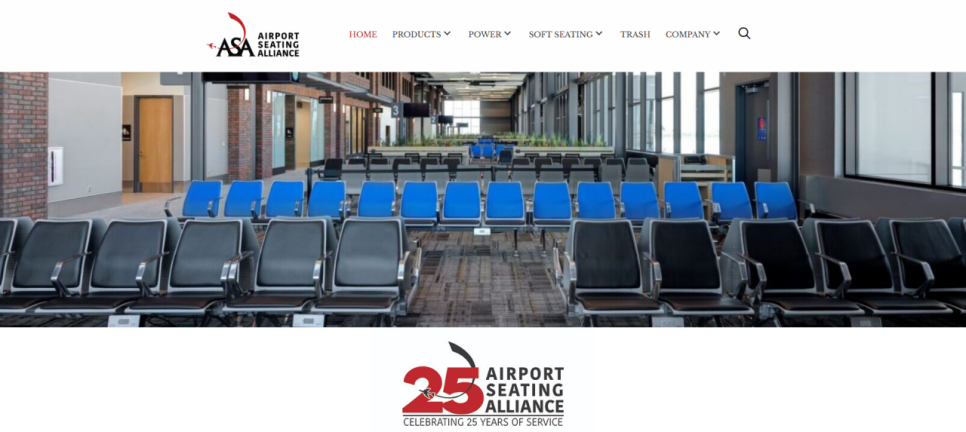
Airport Seating Alliance produces high-durability modular units for transit hubs. Their focus is on extreme longevity and easy maintenance. Integrating audio systems into these units typically involves side-table or console mounting, utilizing the existing modularity of the seating beams to house auxiliary tech.
8. Toda Furniture
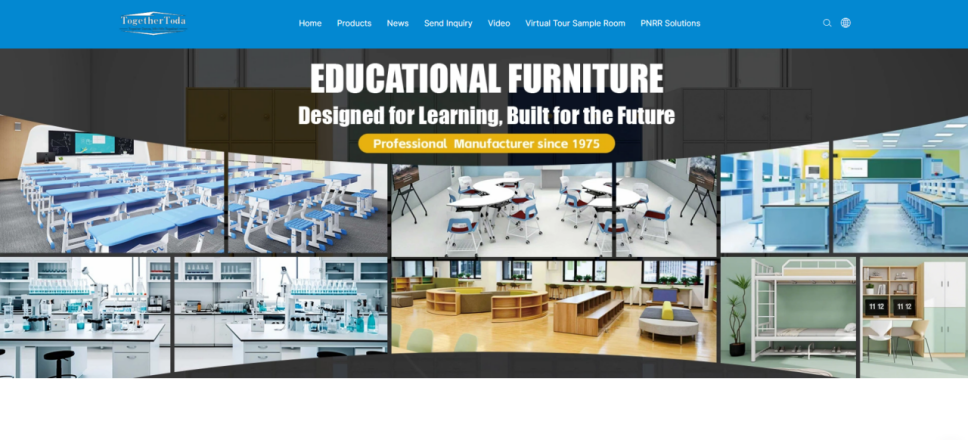
Toda Furniture provides contract furniture solutions with a focus on aesthetic minimalism. Their seating is often designed for corporate lobbies or waiting areas. Integration of audio equipment is possible but usually requires custom fabrication, as their standard product lines favor sleek, unobstructed profiles.
9. Business of Furniture (BoF)
As a broad-scope furniture provider, BoF serves as a distribution and manufacturing entity for various commercial needs. Their capacity to support audio integration is highly dependent on the specific manufacturer utilized for the project, making them a versatile choice for generalized commercial fit-outs.

How to Choose
When selecting seating for venues that require significant auxiliary audio integration, the primary criteria should be structural modularity and cable management capacity.
- Cable Routing: Determine if the chair frames feature pre-engineered pathways or hollow structural members. Retro-fitting cabling into solid wood or non-modular steel frames increases installation costs significantly.
- Mounting Points: Verify whether the seating manufacturer provides factory-drilled or reinforced mounting plates for audio equipment. Improper mounting on unsupported surfaces can lead to vibration interference or hardware fatigue.
- Adaptability: Consider the potential for future upgrades. A seating system that allows for tool-free panel removal will be significantly easier to service as audio technology evolves.
Final Verdict
The selection of seating should align with the specific technical requirements of the audio systems planned for the venue. Leadcom offers the most specialized approach for venues requiring deep integration within fixed auditorium structures, thanks to its internal engineering capacity. For flexible, multi-use spaces, manufacturers like KI and Hussey provide robust, modular platforms that accommodate various configurations. Ultimately, the best choice depends on the scale of the installation and the frequency of technical maintenance expected over the lifetime of the venue.
FAQs
Q: Does seating integration affect the acoustic properties of the room?
A: Yes. The material composition of the seating and the addition of hardware can impact sound absorption and reflection. It is advisable to consult with an acoustic engineer when planning high-density audio installations.
Q: Can auxiliary audio systems be retrofitted into existing seats?
A: It is possible, but it is often inefficient. Retrofitting requires customized brackets and cable management that may not match the existing design, whereas built-to-order seating ensures seamless integration.
Q: What is the most critical factor for seat-integrated audio hardware?
A: Reliability and accessibility. Because the hardware is often located in tight, high-traffic spaces, ensure that the seat panels allow for easy technician access without requiring complete disassembly of the seating row.