
When traders compare a CFD broker, spreads and leverage are often the first factors they examine. Yet liquidity can be just as important because it affects how easily orders can be executed at available market prices. Liquidity is not identical across every CFD instrument, and it can change with market hours, trading volume, economic events, and the underlying asset.
Understanding these differences can help traders make more informed decisions when they trade CFDs. It also explains why the same trading strategy may behave differently when applied to forex, indices, commodities, shares, or other instruments.
What Does Liquidity Mean in CFD Trading?
Liquidity describes how easily an asset can be bought or sold without causing a significant change in its price. In CFD trading, traders do not own the underlying asset. Instead, they speculate on its price movement through a derivative contract provided by a broker.
For a trader, higher liquidity can generally mean more available market pricing, narrower spreads, and smoother execution under normal conditions. Lower liquidity may result in wider spreads, fewer available prices, and greater sensitivity to larger orders.
However, liquidity should not be viewed as a fixed characteristic. Even highly traded markets can experience temporary reductions in liquidity when major economic announcements, geopolitical developments, or sudden changes in investor sentiment affect market participation.
Why Does Liquidity Differ Between CFD Instruments?
Different financial markets have different trading structures and levels of participation. Forex CFDs, for example, are connected to one of the world’s most actively traded financial markets. Major currency pairs usually have substantial trading activity, particularly during overlapping sessions between major financial centres.
Other instruments can behave differently. A popular stock CFD may have strong liquidity during the opening hours of its primary exchange but less activity outside those hours. Commodity CFDs can also experience changing liquidity around inventory reports, production data, or other market specific events.
Indices may attract considerable trading interest during the relevant regional market session, while certain shares, cryptocurrencies, or less frequently traded instruments can experience more noticeable changes in available pricing.
For this reason, traders should avoid assuming that the liquidity conditions of one instrument automatically apply to another.
How Liquidity Can Affect the Cost of Trading
Liquidity has a close relationship with the spread, which represents the difference between the bid and ask price. When market participation is strong, competition among available prices can contribute to tighter spreads. When liquidity becomes thinner, spreads may widen as market conditions become less competitive.
This matters particularly for short term traders. A strategy that targets relatively small price movements can be more sensitive to transaction costs than a longer term approach.
When selecting a CFD broker, traders can therefore look beyond the advertised minimum spread. They should consider the typical trading conditions for the specific instruments they intend to use and understand whether commissions may also apply to their account type.
GTCFX provides access to multiple CFD markets, including forex, metals, energy, indices, shares, cryptocurrencies, and futures, subject to account type and regional availability. Its published trading conditions include different account structures, allowing traders to compare spreads and commissions according to their trading requirements.
Market Timing Also Matters
Liquidity can change throughout the trading day. For example, forex liquidity tends to vary between major market sessions, while equity CFDs are closely connected to the opening hours of their underlying exchanges.
Economic announcements can create another important shift. Before a major interest rate decision, employment report, inflation release, or central bank statement, traders may see rapid changes in available prices. Once the announcement is released, volatility can increase sharply and liquidity conditions may temporarily become less stable.
This is why experienced traders consider both the instrument and the timing of a trade. Checking an economic calendar and understanding the active trading session can provide useful context before entering a position.
What Should Traders Look for in a CFD Broker?
A suitable CFD broker should provide clear information about execution, spreads, commissions, available instruments, and trading platforms. Traders should also examine how the broker obtains pricing and manages liquidity.
GTCFX states that its trading infrastructure connects to tier one liquidity sources and supports multiple asset markets. Its liquidity technology page describes access to multiple levels of market depth and low latency execution infrastructure.
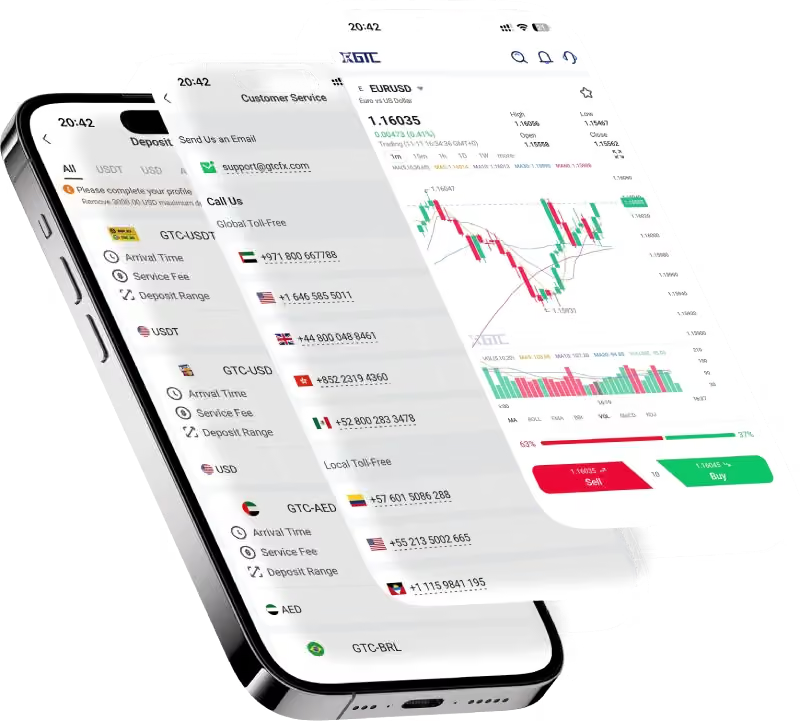
The broker also offers MT4, MT5, and its GTC Go platform, giving traders several ways to monitor markets and manage positions.
Regulation is another consideration. Traders should verify which GTCFX entity will provide their services because regulatory coverage and applicable terms can depend on the client’s jurisdiction and onboarding route. The official website also warns that CFD trading involves significant risk and that leverage can increase both potential gains and losses.
Managing Risk When Liquidity Changes
Understanding liquidity does not eliminate trading risk, but it can help traders plan more carefully. Position size should reflect the characteristics of the instrument, while stop loss levels should account for normal market volatility rather than being placed solely according to a fixed number of points.
Traders should also avoid assuming that a position can always be closed at the expected price. During fast markets, available pricing can change quickly. This is particularly relevant when trading around major economic events or instruments with lower market participation.
Using a demo account can also help traders become familiar with spreads, execution, order types, and platform behaviour before committing real capital.
Making Liquidity Part of Your Trading Decision
Liquidity is one of the practical factors that can influence the experience of trading CFDs. It varies across instruments and can change according to market hours, trading activity, volatility, and major news events.
For traders comparing a CFD broker, the key is to evaluate liquidity alongside execution quality, pricing, regulation, available instruments, and risk management tools. GTCFX provides access to a broad range of CFD markets and publishes information about its liquidity infrastructure and trading conditions, giving traders useful details to consider before opening an account.
Ultimately, traders should understand how the specific market they plan to trade behaves rather than treating liquidity as a single, constant figure. A clear understanding of these conditions can support more disciplined decisions when they trade CFDs.