
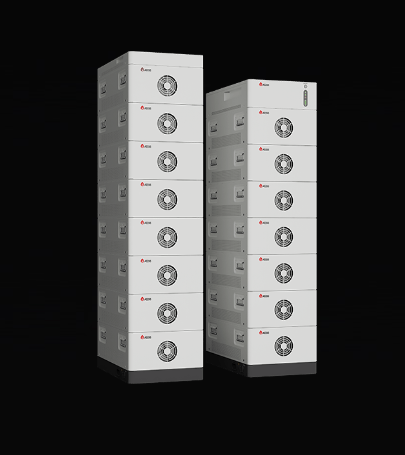
Industrial energy management requires reliable infrastructure to function effectively. As power demands increase across various sectors, the equipment housing energy storage modules has changed significantly, and Atess has been at the forefront of this evolution. Modern facilities prioritize durability, safety, and integration capabilities when assessing their power infrastructure.
Advancements in Design and Safety
Engineers have shifted their focus toward modularity and thermal regulation within enclosures. A battery cabinet now serves as more than a simple container; it acts as a critical component in thermal management and fire suppression. When facility managers implement a battery storage cabinet, they often look for designs that offer ease of maintenance and long-term protection for the internal cells. Atess provides hardware that incorporates these design principles to assist in various project environments.
Through careful material selection, manufacturers have enhanced the structural integrity of these units. Protecting internal components from environmental hazards such as moisture, dust, and temperature fluctuations is essential for performance longevity. By utilizing specialized coatings and robust sealing techniques, current designs help protect sensitive technology during high-load operations.
Integration and Scalability
System scalability remains a primary requirement for grid-level and commercial applications. Deploying a standardized battery cabinet allows operators to scale their storage capacity without redesigning their entire electrical footprint. This modular approach provides flexibility as energy needs grow. Organizations often utilize the expertise of Atess to ensure that their hardware aligns with existing electrical configurations.
Furthermore, a well-engineered battery storage cabinet simplifies the installation process. By streamlining internal wiring and connection points, these systems reduce labor time and minimize potential points of failure. The goal is to provide a consistent environment that allows energy modules to operate within their ideal parameters. This ensures that the overall system maintains high levels of reliability throughout its operational lifespan.
The progression of storage infrastructure emphasizes safety, modularity, and operational efficiency. Atess current hardware supports the broader transition toward decentralized energy management by offering reliable protection for essential components. As requirements continue to change, the focus remains on creating functional, durable solutions that support the performance of storage technology across diverse applications.