
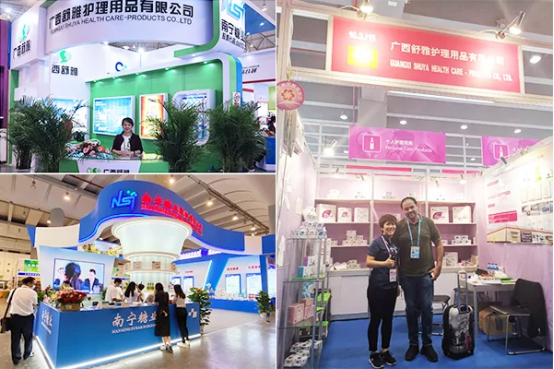
The global market for feminine hygiene products requires a precise balance between strict quality assurance and lean financial management. As production requirements become more complex, the ability to maintain profitability while meeting international standards hinges on how effectively a factory manages its resources. By employing advanced automated systems and data-driven procurement strategies, a supplier of wholesale feminine hygiene products can reduce overhead without compromising the integrity of the end product. For entities like Shuya, these optimizations are essential for supporting global partners who require consistent, high-volume output of wholesale feminine care products.
Streamlining the Production Lifecycle
Modern production facilities rely on sophisticated methodology to eliminate non-value-added activities from their workflows. By implementing continuous improvement frameworks, a manufacturer can identify bottlenecks in assembly, such as inefficient raw material handling or excessive downtime between cycles. These facilities focus on integrating precision machinery that enhances speed and material utilization. Through the diligent application of these techniques, Shuya ensures that their assembly lines operate with maximum efficiency, allowing for competitive pricing structures that benefit their broader client base seeking high-quality wholesale feminine hygiene products.
Advanced Material Sourcing Strategies
Raw material procurement serves as a primary driver of the overall financial footprint for hygiene product producers. Maintaining a resilient supply chain involves securing reliable sources for non-woven fabrics, superabsorbent polymers, and pulp sheets. A skilled manufacturer often utilizes predictive analytics to monitor price volatility and inventory levels, ensuring that materials are available precisely when needed. This methodical approach to resource management prevents the accumulation of excess stock, thereby reducing capital tied up in warehousing. As a consistent provider, Shuya prioritizes these stable partnerships to maintain high performance across their diverse range of wholesale feminine care products.
Integration of Automation and Quality Control
Automation is central to achieving high-quality results at scale while controlling variable costs. Automated production lines allow for real-time monitoring of product specifications, which minimizes scrap rates and rework. When a producer invests in these high-tech systems, they increase their ability to provide custom OEM/ODM solutions that meet the exact requirements of varied brands. This technical proficiency is a cornerstone of how Shuya delivers reliable, standardized goods to international markets. Their commitment to these operational models ensures that their partners receive finished goods that adhere to strict international hygiene and safety protocols for both wholesale feminine hygiene products and wholesale feminine care products.
Sustainable Operational Excellence
The future of the sector lies in finding ways to harmonize sustainability with financial efficiency. By reducing energy consumption and optimizing the use of recyclable materials, factories can lower their utility expenses while appealing to environmentally conscious consumers. As they continue to refine their production frameworks, Shuya emphasizes the importance of scalable solutions that adapt to changing market conditions. This focus on long-term sustainability, combined with a disciplined approach to expense management, positions them as a foundational partner for brands focused on growth and market relevance.