
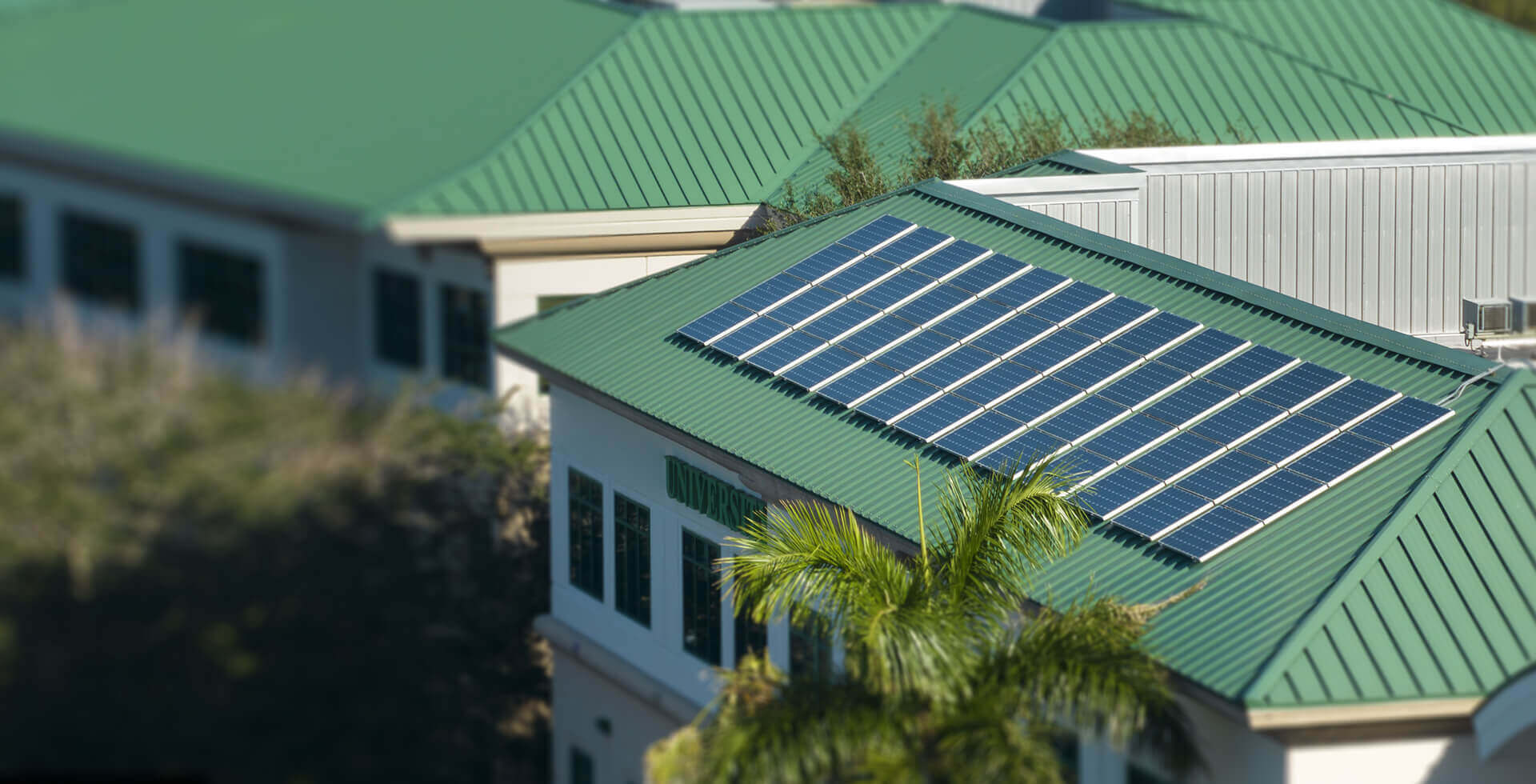
Commercial building owners and EPC contractors face unique challenges when integrating solar arrays onto industrial metal rooftops. Preserving the structural integrity of the roof sheet while preventing water ingress remains a top engineering priority throughout the operational lifespan of the installation. Installing a high-performance metal roof mounting bracket allows installation teams to secure mounting rails without compromising the weatherproofing performance of the building envelope. Engineering partners such as Antaisolar develop non-penetrating clamping mechanisms and compression gasket interfaces that maintain total water tightness without relying on temporary chemical sealants.
Liquid sealants and chemical caulk degrade rapidly under continuous ultraviolet radiation, thermal expansion, and harsh environmental weathering. Over time, chemical seals crack, shrink, and lose adhesion, creating unseen pathways for moisture to penetrate underlying roof purlins and building interiors. Engineering non-penetrating mechanical interfaces eliminates reliance on paste-based adhesives, providing long-term waterproofing through mechanical compression, rubber gaskets, and friction locks.
Thermal Cycling Mechanics and Chemical Sealant Failure Modes
Industrial metal roof panels undergo substantial thermal movement as ambient temperatures fluctuate from daytime heat to nighttime cold. Trapezoidal sheets, standing seam profiles, and corrugated metal expand and contract longitudinally along their primary structural axes. Sealants with insufficient elasticity or movement capability can deteriorate when subjected to repeated thermal movement over time.
As thermal fatigue wears down adhesive bonds, micro-fissures develop between the chemical sealant and metal surface. Rainwater accumulates in these micro-gaps through capillary action, eventually reaching structural fasteners and causing internal corrosion. Modern mechanical design can reduce dependence on sealant-related failure modes when properly designed and installed.
Non-Penetrating Standing Seam Clamping Engineering
Standing seam metal roofs offer an ideal foundation for sealant-free solar mounting due to their raised vertical seams. Non-penetrating clamps attach directly to the folded metal seam, utilizing side-mounted stainless steel set screws to lock onto the profile without puncturing the sheet. The physical barrier of the roof remains unbroken, preserving original factory warranties and eliminating water intrusion vectors.
Engineered clamp profiles distribute uplift loads across the standing seam according to the clamp and roof profile design. Utilizing non-penetrating components, such as the Standing Seam Clamp assembly, allows commercial project managers to secure rooftop rails quickly without applying chemical sealants. Precise torque settings allow the metal roof mounting bracket to grip the seam securely while permitting normal thermal expansion of the roof panels.
Engineered EPDM Compression Gasket Dynamics
Non-standing seam profiles, such as trapezoidal or corrugated metal sheets, often require mechanical fasteners that pass through the roof deck into structural purlins. Achieving complete water tightness in these penetrated applications relies on high-grade Ethylene Propylene Diene Monomer (EPDM) compression gaskets. Unlike standard rubber washers, specialized EPDM compounds resist degradation from ozone exposure, elevated thermal stress, and direct ultraviolet rays over twenty-five years.
When a mounting screw is driven into the roof deck, the EPDM gasket compresses against the metal crown, forming a continuous physical seal around the penetration thread. The mechanical force exerted by the bolt maintains steady radial pressure, completely sealing micro-clearances between fastener threads and roof sheet cutouts. Applying engineered compression fittings creates a robust water barrier that functions reliably without supplemental liquid caulk or silicone adhesives.
Mechanical Raised Crown Fastening Architecture
Water flows naturally along the lower flat valleys of corrugated and trapezoidal roof profiles during intense rain events. Fastening mounting brackets into the lower valleys increases the risk of water pooling around screw holes, creating unnecessary hydrostatic pressure on sealing points. Engineering best practices dictate securing mounting brackets strictly to the raised crowns or ribs of the metal sheet, keeping fasteners elevated far above the main drainage channel.
Elevating the mounting attachment point ensures that primary rainwater streams bypass fastener penetrations entirely. Specifying hardware solutions like the Kliplok Clamp or Trapezoidal Metal Roof Mount ensures structural load points remain positioned above standing water levels. Combining raised crown positioning with EPDM compression washers provides double-layer protection against environmental moisture ingress across expansive commercial roof areas.
Material Compatibility and Galvanic Corrosion Prevention
Direct contact between dissimilar metals creates a risk of galvanic corrosion when moisture acts as an electrolyte between active and noble metals. Stainless steel fasteners placed directly against un-anodized aluminum or plain carbon steel induce localized chemical degradation, weakening structural attachment points and breaking down waterproofing seals over time. Preventing galvanic action requires isolating contacting metals using non-conductive barriers or compatible surface coatings.
Quality solar mounting components feature anodized aluminum bodies, stainless steel fasteners with protective coatings, and integrated synthetic isolation washers. Isolating metallic interfaces prevents localized surface pitting and preserves the structural thickness of roof sheets surrounding each metal roof mounting bracket. Maintaining material compatibility ensures structural fasteners remain tightly seated, preventing vibration-induced loosening that could compromise compression gaskets.
Pre-Assembled Hardware Efficiency and Field Quality Control
Relying on manual sealant application during job-site installation introduces high variability and human error into the waterproofing process. Field crews may apply inconsistent sealant volumes, fail to clean dusty roof surfaces before application, or attempt installation in adverse weather conditions that prevent proper chemical curing. Transitioning to factory-integrated mechanical sealing components eliminates job-site application errors and standardizes waterproofing quality across every attachment point.
Pre-assembled mounting brackets with integrated EPDM pads accelerate roof deployment schedules while ensuring consistent compression metrics across thousands of roof attachments. Installation crews simply align the component and tighten fasteners to specified torque ratings, allowing the mechanical sealing interface to be installed without a sealant curing period. Streamlining job-site operations reduces physical labor costs for EPC contractors and installation firms while delivering consistent long-term weatherproofing performance.
Conclusion
Achieving durable watertight performance on industrial metal rooftops requires shifting away from short-lived chemical sealants toward mechanical compression interfaces. Utilizing non-penetrating seam clamps, elevated crown fastening techniques, and specialized EPDM gaskets protects the building envelope while providing high structural stability for solar arrays. Collaborating with trusted hardware producers like Antaisolar provides commercial developers, EPC contractors, and distributors with precision-engineered metal roof mounting systems built to withstand decades of harsh environmental exposure without leaking.